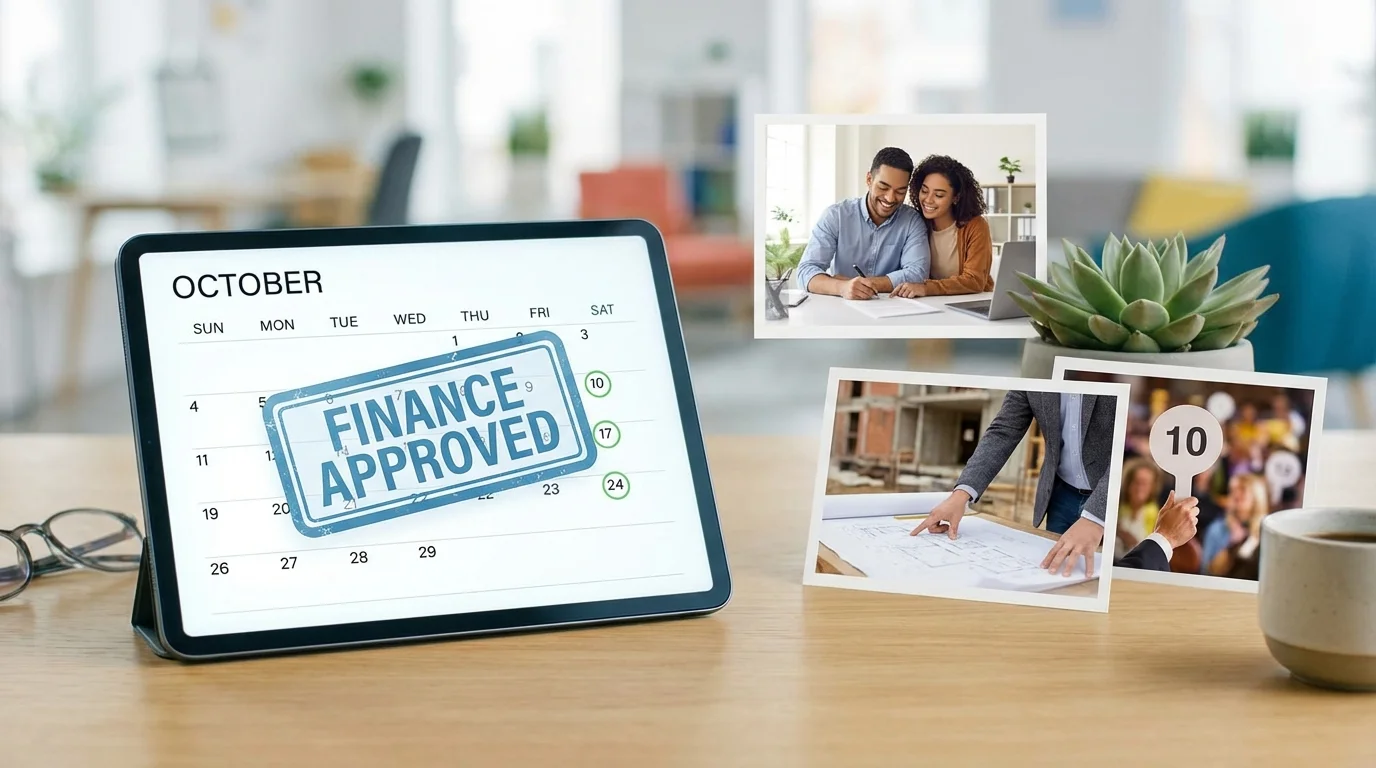
Purchasing your first property is one of the biggest financial decisions you'll make. The conveyancing process in Australia typically takes 30 to 90 days, depending on your state and whether you're buying at auction, through private treaty, or off-the-plan. During this time, you'll manage multiple deadlines, coordinate with your lender, and review legal documents filled with unfamiliar terminology.
Before You Make an Offer
Start by getting your finance pre-approval in writing. Know your borrowing capacity and have your deposit funds ready. If parents are contributing, prepare a Gift Letter or Statutory Declaration confirming the funds are a gift, not a loan. Lenders scrutinise this carefully.
Research the property thoroughly. Check flood maps, bushfire zones, and local council planning overlays. For apartments, request the strata report and review any special levies or building defects. These issues won't appear in the standard contract.
Contract Review Stage
Once you find a property, request the Contract of Sale and Section 32 Vendor Statement immediately. In Victoria, the FHOG provides $10,000 for new homes under $750,000, and stamp duty is waived entirely for properties up to $600,000. You need to verify your eligibility before signing.
Your first home buyer conveyancing checklist should include items like:
- Contract of Sale review for special conditions
- Section 32 Vendor Statement verification
- Title search to confirm ownership and encumbrances
- Planning certificate review
- Building and pest inspection reports
- Strata report for apartments
- FHOG eligibility confirmation
- Stamp duty concession calculation
Auction purchases require all this completed before you bid. There's no cooling-off period at auction in Victoria. Sign without proper review and you inherit any hidden problems, including illegal building works or unregistered easements.
Between Contract and Settlement
This is where most first home buyers feel overwhelmed. Your lender needs time to complete their valuation and issue formal approval. Delays here can push out your settlement date and trigger penalty interest.
The checklist covers each milestone: finance approval deadline, building inspection period, cooling-off expiry (for private sales), and the date you need to pay the deposit balance. Off-the-plan purchases add complexity with sunset clauses that allow either party to terminate if construction isn't completed by a specific date.
Settlement Day
Settlement in Australia now happens electronically through PEXA. Your solicitor coordinates with the vendor's representatives and your lender to transfer funds and register the title in your name. The process typically takes a few hours.
Your settlement checklist should include a final property inspection, meter readings, key collection arrangements, and confirmation that all adjustments (council rates, water rates, strata levies) have been calculated correctly.
With a proper first home purchase checklist, you'll approach each stage knowing exactly what's required and when. No surprises. No missed deadlines. Just a clear path to owning your first home.